



Some companies may prefer to use new employees in the shipping and receiving area, although they may be better served to allocate pros to handle these difficult tasks. Experienced people who really know and understand the products rarely mix objects that might seem the same but are somewhat different and they truly know how to stock shelves and bins correctly and therefore, work a lot more efficiently.
It is a good idea if you have new employees to start them out by filling orders. This provides them with an excellent opportunity to learn the products, paperwork and clients as well as any electronic inventory system which may take some getting used to. Moreover, it is very easy to check their effectiveness by going over their work orders when they are packed for delivery.
The next tip is to plan the truck arrival, because you truly do not want all trucks to arrive at the same time. By being organized and planning arrivals, you would eliminate pressure on receivers and shippers and also eliminate excessive waiting time in the yard. The more efficiently you could schedule the arrival of your trucks, the fewer dock doors you will need to operate that would save you money on utilities in the long run.
If you can, operate different shifts for shipping and receiving. One method is to receive goods in one shift and separate the shipped items to another shift. Organizing yourself in this manner could enable you to reduce the staging area requirements by 50%. You may also be able to eliminate time-wasting bottlenecks within the warehouse. Also, by separating your shipping and receiving, you could keep track of orders more effectively and will know which shift to look over if any discrepancies occur down the road.
Speed up the unloading process. This would really help you out as the longer a truck sits at your door for loading or unloading, the more congested your yard can become. Based on research, roughly 60 percent of mass merchants are capable of unloading trucks in under 60 minutes, while about 20 to 30% of the grocery industry performs at a similar standard. Take time to observe and time operations to be able to see exactly how your facility measures up overall.
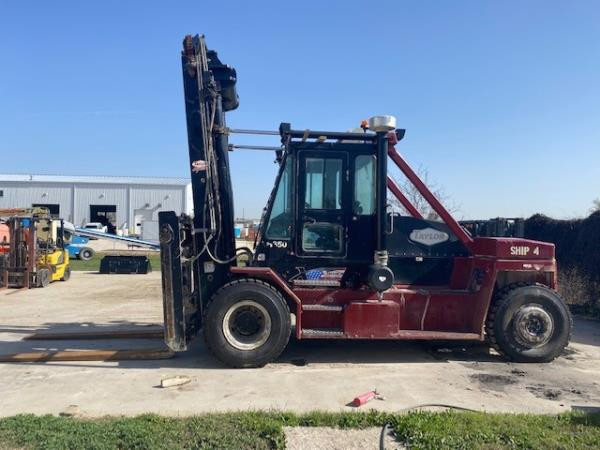
Floor maintenance is key since floor defects could cause forklift operators to take detours or slow down. This could result in a reduction of productivity. Deteriorating floor section seams or uneven floors or potholes also lead to wheel wear and vehicle damage. In some cases, floors that are really damaged can lead to loads tipping and product damage.